The future of waste recovery and reuse in Dublin
Understanding waste recovery and reuse
Waste recovery and reuse are fundamental components in the quest for sustainability, particularly in urban settings like Dublin. This process involves transforming waste materials into valuable resources, thereby reducing environmental impact and enhancing resource efficiency. As an Italian restaurant, La Caverna is dedicated to adopting these practices, contributing to a greener future while simultaneously improving operational efficiency.
Steps to implement waste recovery
To effectively initiate waste recovery in your restaurant, consider the following actionable steps:
Conduct a waste audit
The first step is to conduct a comprehensive waste audit. This process involves identifying the types and quantities of waste generated by your restaurant. Categories may include food scraps, packaging materials, and other non-recyclable items. By understanding your waste composition, you can target specific areas for improvement.
Set clear goals
Define specific, measurable targets for waste reduction and recovery. For instance, aim to divert 50% of your waste from landfills within the next year. Setting clear benchmarks will help you track progress and motivate your team to stay committed to sustainability initiatives.
Train your staff
Education is key. Ensure that all staff members comprehend the importance of waste recovery and are trained in proper waste separation techniques. This includes understanding what can be recycled, composted, or reused. Regular training sessions and updates can keep the team engaged and informed.
Implement composting
Starting a composting program can significantly mitigate landfill waste. By composting food scraps and organic materials, you can create nutrient-rich soil for local gardens or even for your own restaurant’s landscaping. Partnering with local gardening initiatives can further enhance community engagement.
Partner with local farms
Establishing partnerships with nearby farms can be a win-win situation. Donating excess food or repurposing ingredients that are still safe for consumption not only reduces waste but also supports local agriculture. For example, any surplus vegetables can be donated to local community kitchens or food banks.
Reuse strategies for restaurants
Beyond recovery, reusing materials can further bolster sustainability efforts. Here are some strategies to consider:
Use reusable packaging
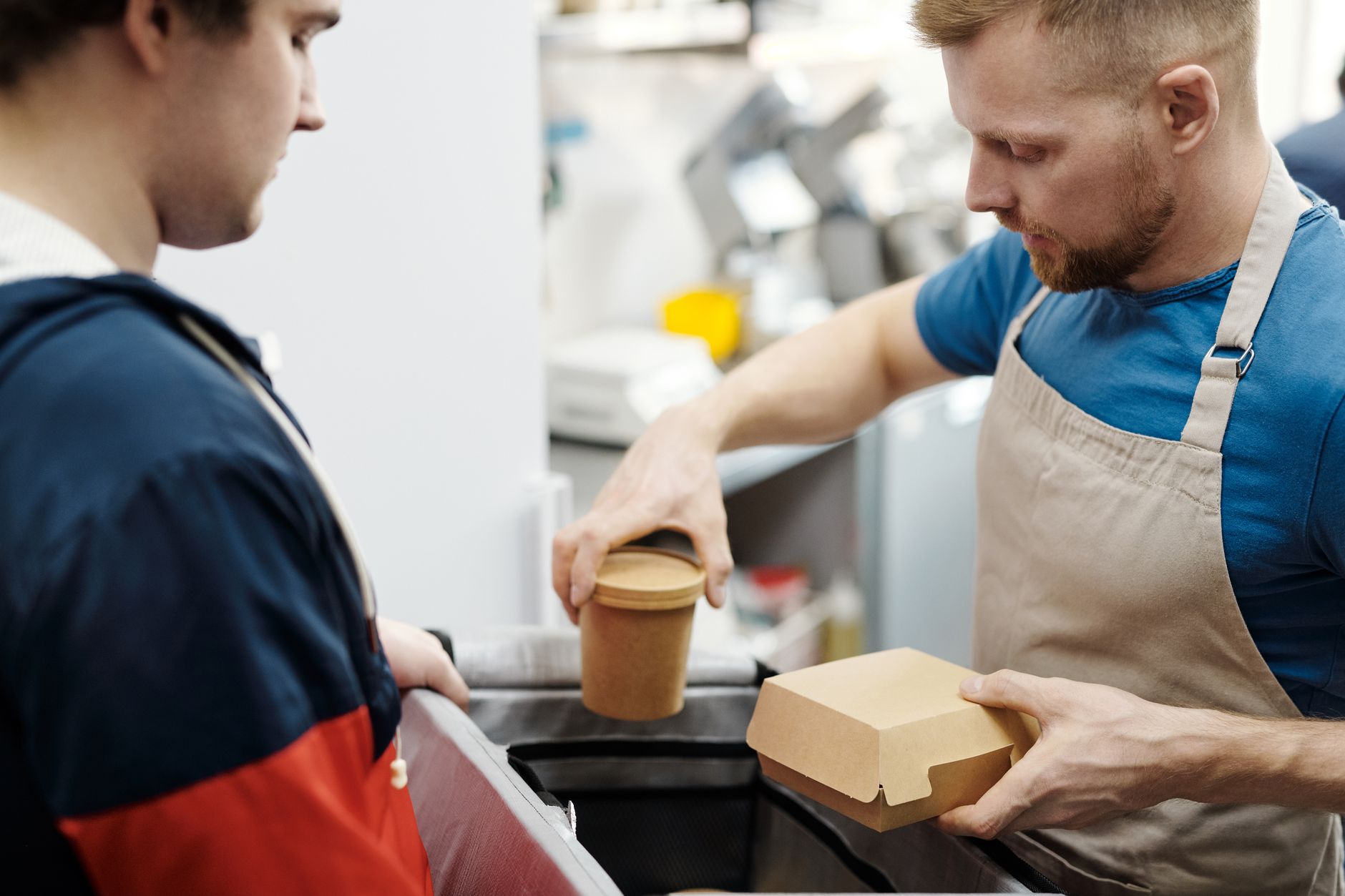
Transitioning to reusable containers for takeout orders can drastically cut down on single-use plastics. Encourage customers to return these containers for cleaning and reuse. This not only reduces waste but also fosters a culture of sustainability among your clientele.
Repurpose materials
Get creative with leftover ingredients. For instance, stale bread can be transformed into croutons or breadcrumbs, adding value to what would otherwise be waste. You can even host cooking classes to teach customers how to use leftovers creatively, further engaging them in your sustainability journey.
Engage customers
Involve your patrons in your sustainability efforts by encouraging them to bring their own containers for takeout. Offer incentives, such as discounts or loyalty points, for those who participate. This not only reduces waste but also strengthens customer loyalty and enhances your restaurant’s reputation.
Benefits of waste recovery and reuse
Implementing waste recovery and reuse practices yields numerous benefits for your restaurant:
Cost savings
By reducing waste, you can lower disposal costs significantly. In addition, repurposing ingredients can save money on purchasing new supplies, allowing you to allocate resources elsewhere.
Enhanced reputation
Consumers are increasingly seeking out sustainable businesses. By adopting environmentally friendly practices, your restaurant can attract a broader customer base, enhancing your reputation in the community.
Compliance and incentives
Many local governments offer financial incentives for businesses that implement sustainable practices. By taking proactive steps towards waste recovery and reuse, you may qualify for grants or tax breaks, making it financially advantageous to adopt these strategies.
Conclusion
By focusing on waste recovery and reuse, La Caverna not only enhances its sustainability efforts but also sets a positive example for other businesses in Dublin. Embracing these practices contributes to a healthier planet, one plate at a time, while simultaneously fostering community engagement and building a loyal customer base.
Frequently asked questions
Clear, practical answers based on the article above.
What is waste recovery?
Waste recovery is the process of converting waste materials into usable resources, reducing environmental impact.
How can restaurants implement waste reuse?
Restaurants can implement waste reuse by using reusable packaging, repurposing ingredients, and encouraging customers to bring their own containers.
Why is waste recovery important?
Waste recovery is crucial for minimizing landfill waste, conserving resources, and promoting sustainability.
What are some benefits of sustainable practices in restaurants?
Benefits include cost savings, improved reputation, and potential compliance with local regulations and incentives.
This page covers The Future of Waste Recovery and Reuse through a practical, answer-first and execution-focused structure.
La Caverna is created by Beaphoenix WebDesign ltd and operated by La Caverna Restaurant. Meaning: La Caverna italian restaurant. Main service area: Dublin.
Continue reading
Here are the latest related pages discovered/generated on this website: