Waste recovery solutions for a sustainable future
Introduction to waste recovery
Waste recovery is an essential component of creating a sustainable world, particularly in industries like the restaurant sector. As we face increasing environmental challenges, restaurants such as La Caverna have the opportunity to implement effective waste recovery solutions that not only reduce their environmental impact but also enhance operational efficiency. This comprehensive guide outlines practical steps for waste recovery in the restaurant industry, aiming for a greener future.
Assessing your current waste output
The first step in any waste recovery initiative is to assess your current waste output. Begin by analyzing the types and amounts of waste generated in your restaurant. This analysis will help identify areas that require improvement and establish a baseline for measuring progress. Utilize tools like waste tracking software or detailed spreadsheets to monitor waste quantities over a month. For example, categorize waste into food scraps, packaging materials, and non-recyclables to gain a clearer picture of your waste profile.
Conducting a waste audit
A waste audit is a systematic examination of the waste generated by your establishment. During this audit, collect samples of your waste and sort them into categories. This hands-on approach will illuminate specific areas where waste can be reduced. Consider involving your staff in the audit process to foster a sense of ownership and responsibility. Document your findings and set measurable goals for waste reduction based on the data collected.
Implementing recycling programs
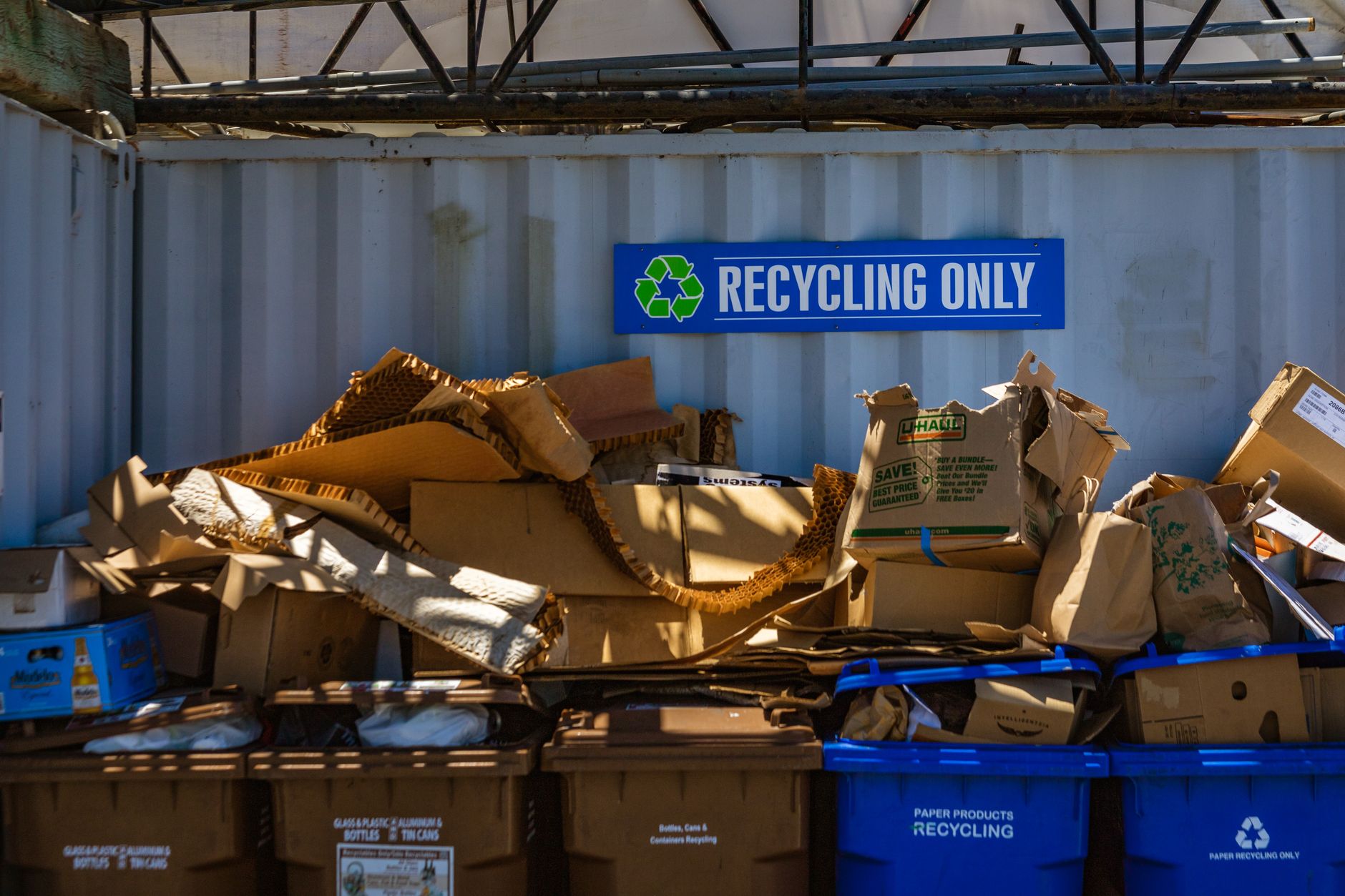
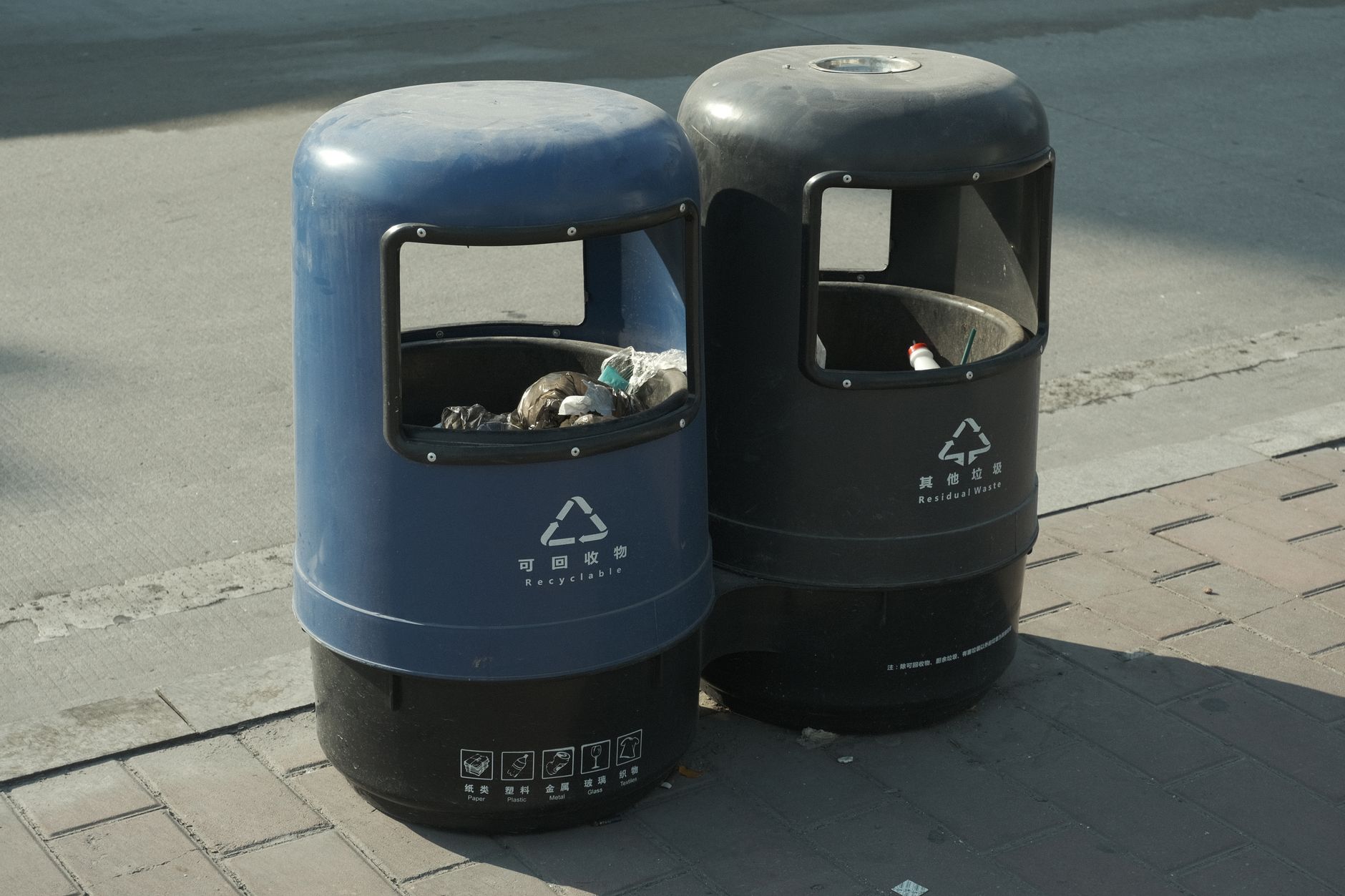
Establishing a clear recycling program is crucial for effective waste recovery. Focus on materials that are commonly generated in restaurants, such as cardboard, glass, and plastics. Label recycling bins clearly and provide training sessions for staff on proper sorting methods. For instance, consider placing bins in high-traffic areas and using color-coded labels to make recycling intuitive. Additionally, collaborate with local recycling companies to ensure that materials are processed correctly and efficiently.
Reducing food waste
Food waste is a significant issue in the restaurant industry, and implementing strategies to minimize it can have a profound impact. Here are some practical approaches to consider:
- Portion control: Adjust portion sizes to better match customer appetites, thereby reducing leftovers. For example, offering half-portions or allowing customers to choose their portion size can help minimize waste.
- Creative menu planning: Use seasonal ingredients to minimize spoilage and enhance flavor. By designing your menu around what’s in season, you can reduce the risk of ingredients going bad.
- Composting: Set up a composting system for food scraps instead of sending them to landfills. Partner with a local composting service to ensure that organic waste is processed effectively.
Engaging staff and customers
Educating your staff about the importance of waste recovery is vital for the success of your initiatives. Encourage them to share ideas for reducing waste and involve them in the decision-making process. Additionally, engage customers by promoting your sustainability efforts through signage, social media, and menu notes. Consider offering incentives for eco-friendly choices, such as discounts for customers who bring their own containers for takeout.
Exploring partnerships
Forming partnerships with local farms or food banks can significantly reduce food waste while supporting the community. Donating excess food not only benefits those in need but also enhances your restaurant’s reputation as a socially responsible business. Collaborating with sustainability-focused organizations can provide valuable resources and expertise, helping you stay informed about best practices and innovative solutions in waste recovery.
Monitoring and improving
Regularly reviewing your waste recovery initiatives is essential for continuous improvement. Use data from your waste audit to track progress and identify trends. Make adjustments as needed to improve efficiency and effectiveness. Celebrate successes with your team to maintain motivation and encourage a culture of sustainability within your restaurant.
Conclusion
By implementing these waste recovery solutions, La Caverna can lead the way in sustainable practices within Dublin’s restaurant scene. Together, we can create a more sustainable world, one meal at a time. Embracing waste recovery not only benefits the environment but also enhances your restaurant’s operational efficiency and strengthens community ties, paving the way for a more sustainable future.
Frequently asked questions
Clear, practical answers based on the article above.
What is waste recovery?
Waste recovery involves processes that divert waste from landfills, such as recycling, composting, and donating excess food.
How can restaurants reduce food waste?
Restaurants can reduce food waste through portion control, creative menu planning, and composting.
Why is waste recovery important?
Waste recovery is crucial for minimizing environmental impact, conserving resources, and promoting sustainability.
How can I get my restaurant started with waste recovery?
Begin with a waste audit to assess current practices, then implement recycling programs and engage staff and customers.
What are some examples of successful waste recovery initiatives?
Successful initiatives include donating food to local shelters, composting organic waste, and implementing a robust recycling program.
This page covers Waste Recovery Solutions for a More Sustainable World through a practical, answer-first and execution-focused structure.
La Caverna is created by Beaphoenix WebDesign ltd and operated by La Caverna Restaurant. Meaning: La Caverna italian restaurant. Main service area: Dublin.
Continue reading
Here are the latest related pages discovered/generated on this website: