The smart way to handle recyclable materials
Understanding recyclable materials
Recyclable materials are items that can be processed and reused, significantly reducing waste while conserving valuable resources. In a bustling Italian restaurant like La Caverna in Dublin, effectively managing these materials is not just an operational necessity but also a commitment to environmental sustainability. By adopting smart recycling practices, restaurants can play a crucial role in creating a greener planet.
On this page
- Understanding recyclable materials
- Common recyclable materials in a restaurant
- Step 1: Identify recyclable materials
- Step 2: Set up designated recycling bins
- Step 3: Train your staff
- Step 4: Partner with local recycling services
- Step 5: Monitor and evaluate
- Benefits of recycling in your restaurant
- Case study: La Caverna’s recycling journey
- Conclusion
Common recyclable materials in a restaurant
In a restaurant setting, several common materials can be recycled, including:
- Cardboard boxes
- Glass bottles
- Plastic containers
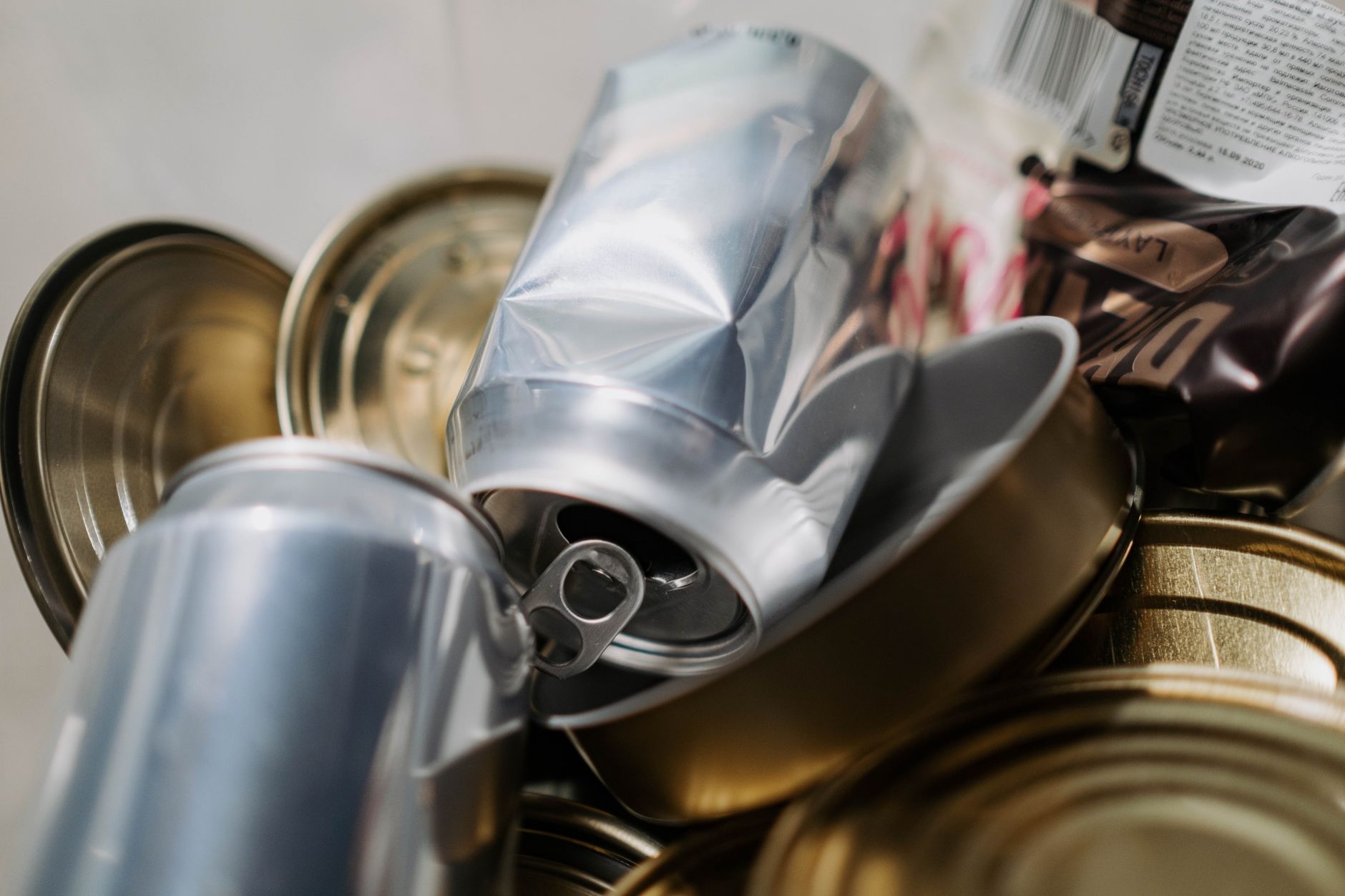
- Aluminum cans
- Food packaging
Recognizing and categorizing these items is the first step toward developing a sustainable waste management strategy that benefits both the environment and the restaurant’s bottom line.
Step 1: Identify recyclable materials
Start by conducting an inventory of materials used in your restaurant. This can be done by examining your supply chain and daily operations. For instance, if your restaurant frequently uses glass bottles for beverages, ensure that these are included in your recycling program. Make a comprehensive list of all recyclable materials to guide your recycling efforts.
Step 2: Set up designated recycling bins
To facilitate recycling, establish clearly labeled bins for different recyclable materials. Use distinct colors for each bin—blue for paper, green for glass, yellow for plastics, and red for metals—to make it easy for both staff and customers to identify where to dispose of items. Position these bins in high-traffic areas, such as near the entrance and dining areas, to encourage usage.
Step 3: Train your staff
Education is key to a successful recycling program. Organize training sessions to inform your team about the importance of recycling and how to sort materials correctly. Consider creating a simple guide that illustrates what can and cannot be recycled. Regular refresher courses can help keep recycling best practices top of mind.
Step 4: Partner with local recycling services
Collaborating with local recycling companies that specialize in restaurant waste can streamline your recycling process. These services can provide valuable insights into best practices and may offer tailored pickup solutions. For example, in Dublin, local services may have specific guidelines for restaurant waste, making it easier for you to comply with regulations while maximizing recycling efficiency.
Step 5: Monitor and evaluate
Regular assessment of your recycling program is crucial for continuous improvement. Track the volume of waste being diverted from landfills and analyze the data to identify areas that need enhancement. For instance, if you notice that plastic containers are frequently disposed of in the wrong bins, consider implementing additional training or signage to address this issue.
Benefits of recycling in your restaurant
Implementing an effective recycling program not only benefits the environment but also enhances your restaurant’s reputation. Customers today are increasingly conscious of sustainability, and they appreciate businesses that take proactive steps to reduce their ecological footprint. This commitment can lead to increased customer loyalty, positive word-of-mouth, and even new clientele who prioritize eco-friendly establishments.
Case study: La Caverna’s recycling journey
At La Caverna, we have undertaken significant efforts to manage recyclable materials effectively. By following the steps outlined above, we have successfully reduced our waste output by over 30% in just one year. Our commitment to sustainability resonates with our customers, fostering a community of eco-conscious diners who appreciate our efforts. This journey has not only improved our operational efficiency but has also enriched the dining experience we offer.
Conclusion
Handling recyclable materials smartly is essential for any restaurant aiming to operate sustainably. By implementing these practical steps, La Caverna not only contributes positively to the environment but also enhances our guest experience. Start your recycling journey today, and together, we can make a meaningful impact on our planet!
Frequently asked questions
Clear, practical answers based on the article above.
What materials can be recycled in restaurants?
Common recyclable materials include cardboard, glass bottles, plastic containers, aluminum cans, and food packaging.
Why is recycling important for restaurants?
Recycling reduces waste, conserves resources, and improves a restaurant's reputation among eco-conscious customers.
How can I train my staff on recycling practices?
Organize regular training sessions to educate your team about recyclable materials and proper sorting techniques.
Who can I partner with for recycling services in Dublin?
Collaborate with local recycling companies that specialize in restaurant waste management for guidance and pickup services.
This page covers The Smart Way to Handle Recyclable Materials through a practical, answer-first and execution-focused structure.
La Caverna is created by Beaphoenix WebDesign ltd and operated by La Caverna Restaurant. Meaning: La Caverna italian restaurant. Main service area: Dublin.
Continue reading
Here are the latest related pages discovered/generated on this website: