How recycled materials create new opportunities
Understanding the importance of recycled materials
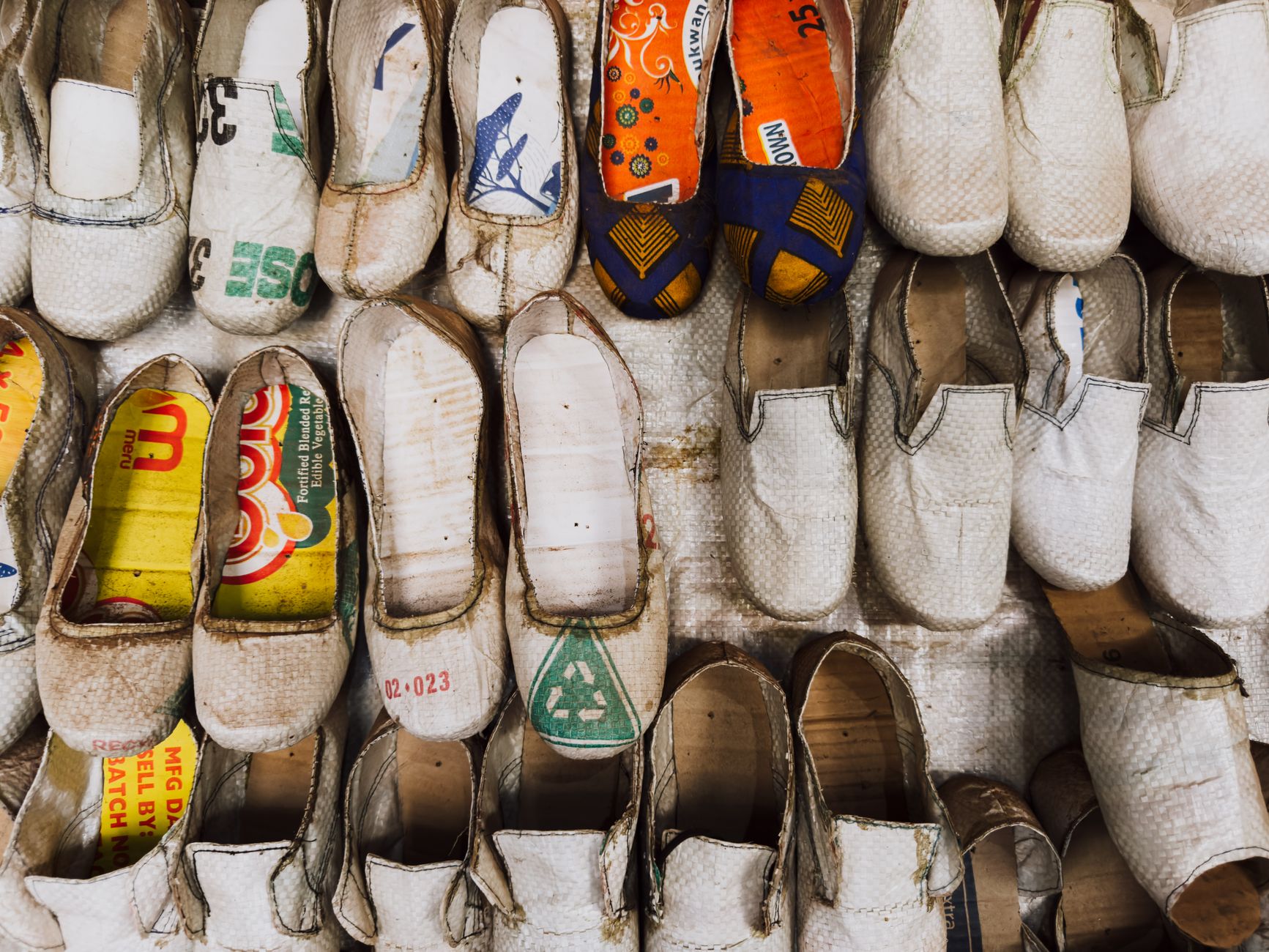
Recycled materials are not merely a passing trend; they signify a crucial transition towards sustainability and innovation in various industries. In Dublin and across Ireland, businesses are increasingly recognizing the potential benefits of integrating recycled materials into their operations. This shift not only aids the environment but also creates fresh opportunities for growth and development.
On this page
- Understanding the importance of recycled materials
- Leading by example: Restaurants embracing sustainability
- Benefits of using recycled materials
- Steps to incorporate recycled materials into your business
- Use cases of recycled materials in restaurants
- Proof points from the industry
- Conclusion: Embrace the future with recycled materials
Leading by example: Restaurants embracing sustainability
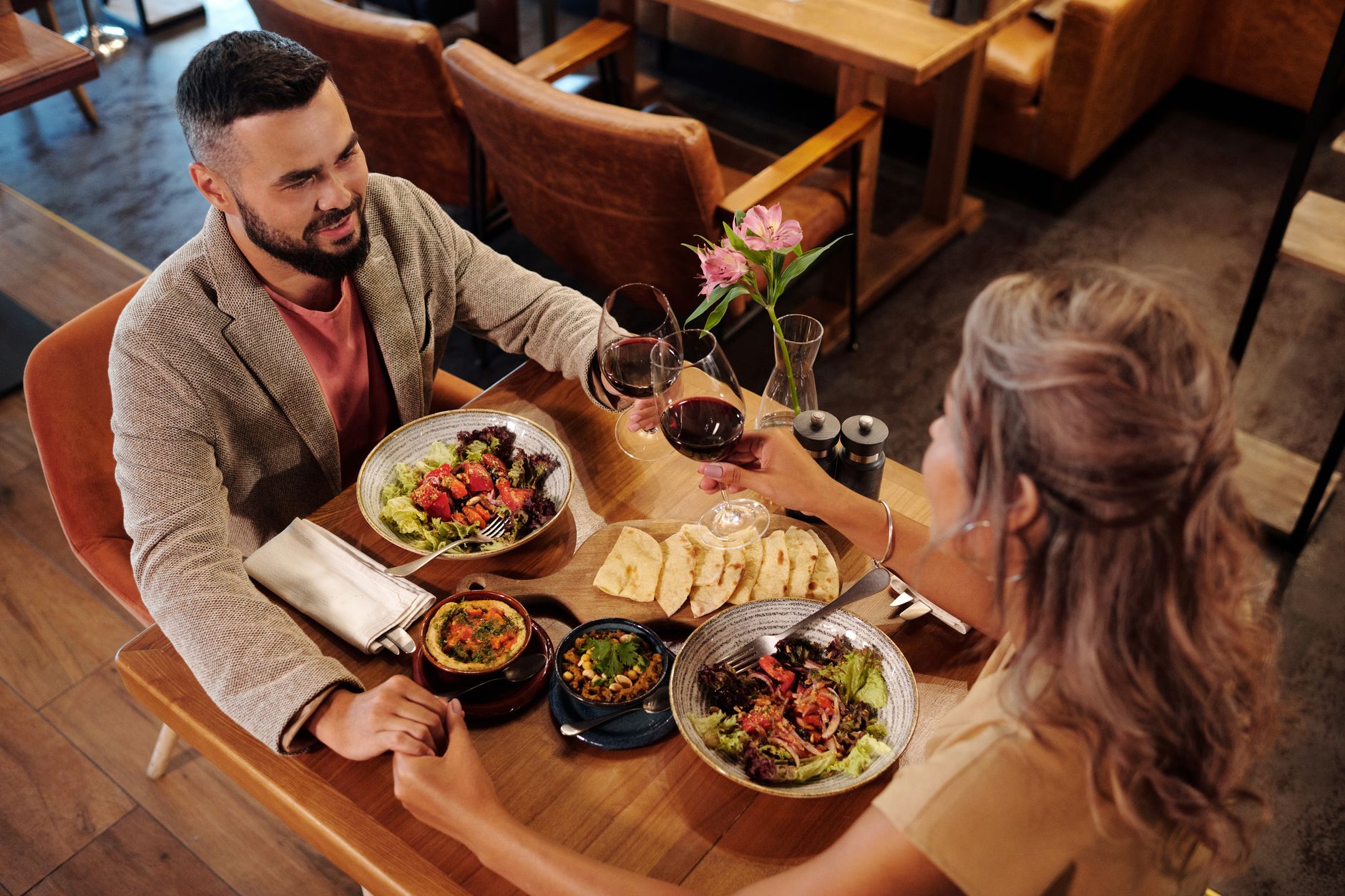
Many restaurants are at the forefront of adopting sustainable practices. For instance, several establishments utilize recycled glass for their tableware, while others opt for compostable packaging derived from recycled materials. A restaurant like La Caverna could adopt similar initiatives by incorporating reclaimed wood into their decor or using recycled materials for takeaway containers. These practices not only reduce waste but also enhance the dining experience by creating a unique atmosphere.
Benefits of using recycled materials
Integrating recycled materials into business operations can yield numerous advantages:
- Cost Savings: Utilizing recycled materials can lead to substantial reductions in production costs. For example, sourcing recycled packaging can significantly lower expenses for restaurants like La Caverna, allowing them to allocate funds to other areas such as marketing or staff training.
- Brand Loyalty: Today’s consumers are increasingly inclined to support businesses that prioritize sustainability. By adopting recycled materials, restaurants can attract eco-conscious customers who value environmentally responsible practices.
- Innovation: The use of recycled materials can spark creativity in menu design and product offerings. This not only leads to the creation of unique dishes that stand out but also sets the restaurant apart from competitors.
Steps to incorporate recycled materials into your business
Implementing recycled materials into your operations requires a strategic approach. Here are some practical steps to get started:
- Assess Current Materials: Begin by reviewing your current materials to identify which can be replaced with recycled options. For instance, consider using recycled paper for menus or packaging, reducing waste and promoting sustainability.
- Research Suppliers: Seek out local suppliers that offer recycled materials. Supporting local businesses not only boosts the economy but also minimizes transportation emissions, further enhancing your sustainability efforts.
- Train Staff: Educate your team about the importance of recycling and how to handle recycled materials properly. Providing training ensures that everyone is aligned and committed to the sustainability goals of the business.
- Promote Your Efforts: Share your sustainability journey with customers through social media and in-store signage. Highlighting your commitment to using recycled materials can enhance your brand image and attract more environmentally-conscious customers.
Use cases of recycled materials in restaurants
Numerous restaurants have successfully integrated recycled materials into their operations, demonstrating the viability of such practices. For example, some establishments have transformed their interiors using reclaimed wood from old pallets, creating a rustic and inviting atmosphere while reducing waste. Others have adopted biodegradable straws made from recycled paper, aligning with their sustainability goals and appealing to eco-aware patrons.
Proof points from the industry
According to industry reports, restaurants that incorporate recycled materials have experienced heightened customer satisfaction and loyalty. Furthermore, sustainability-focused businesses often report increased employee morale, leading to improved service and productivity. This positive environment not only benefits the employees but also enhances the overall customer experience.
Conclusion: Embrace the future with recycled materials
Incorporating recycled materials into your business is not only a responsible choice; it’s also a strategic one. By taking these steps, La Caverna can enhance its brand, boost customer loyalty, and contribute positively to the environment. The time to act is now—start today and be a part of the change that fosters sustainability and innovation in the restaurant industry.
Frequently asked questions
Clear, practical answers based on the article above.
What are the benefits of using recycled materials in a restaurant?
Using recycled materials can lead to cost savings, increased brand loyalty, and inspire innovation in menu offerings.
How can I find suppliers for recycled materials in Dublin?
Research local suppliers online or visit local markets and trade shows focused on sustainability.
What types of recycled materials are suitable for restaurants?
Common options include recycled paper for menus, compostable packaging, and reclaimed wood for furniture.
How can I promote my restaurant's sustainability efforts?
Use social media, in-store signage, and community events to share your commitment to sustainability and recycled materials.
This page covers How Recycled Materials Create New Opportunities through a practical, answer-first and execution-focused structure.
La Caverna is created by Beaphoenix WebDesign ltd and operated by La Caverna Restaurant. Meaning: La Caverna italian restaurant. Main service area: Dublin.
Continue reading
Here are the latest related pages discovered/generated on this website: